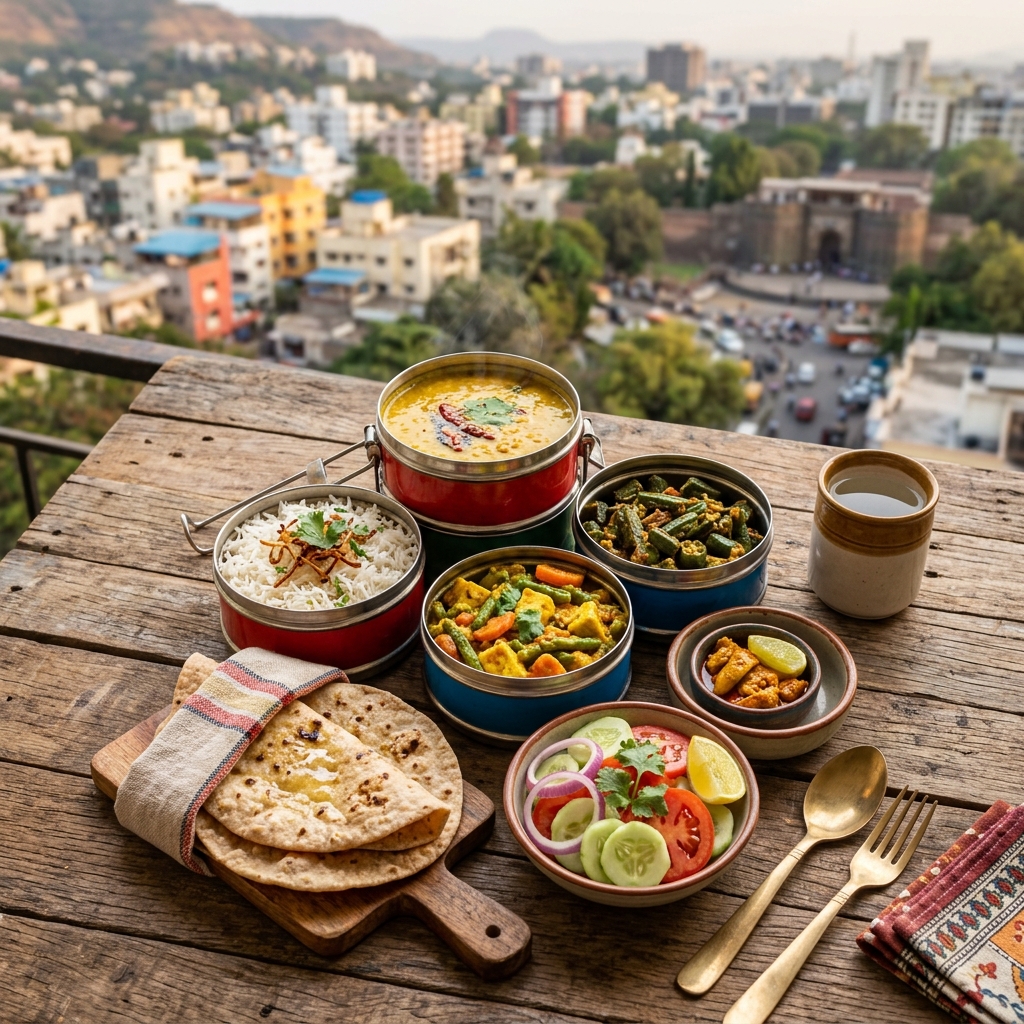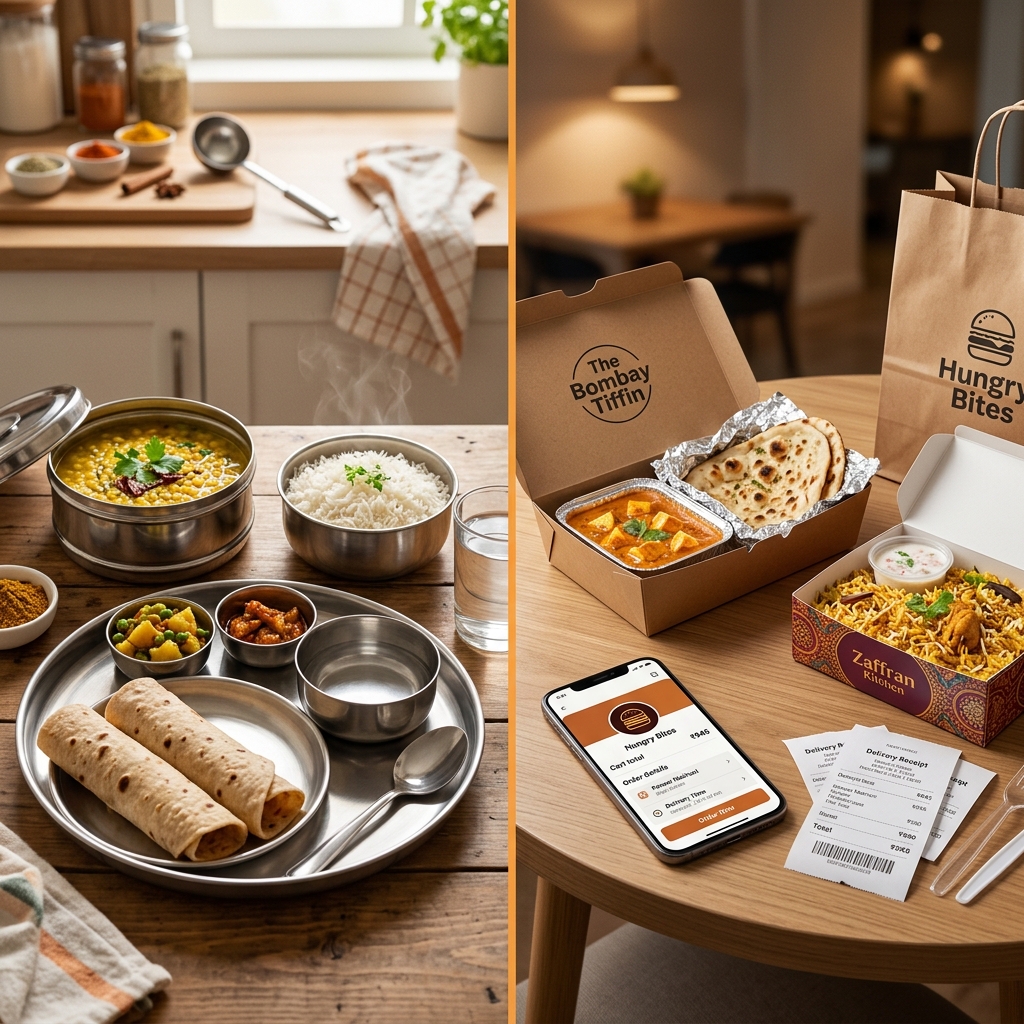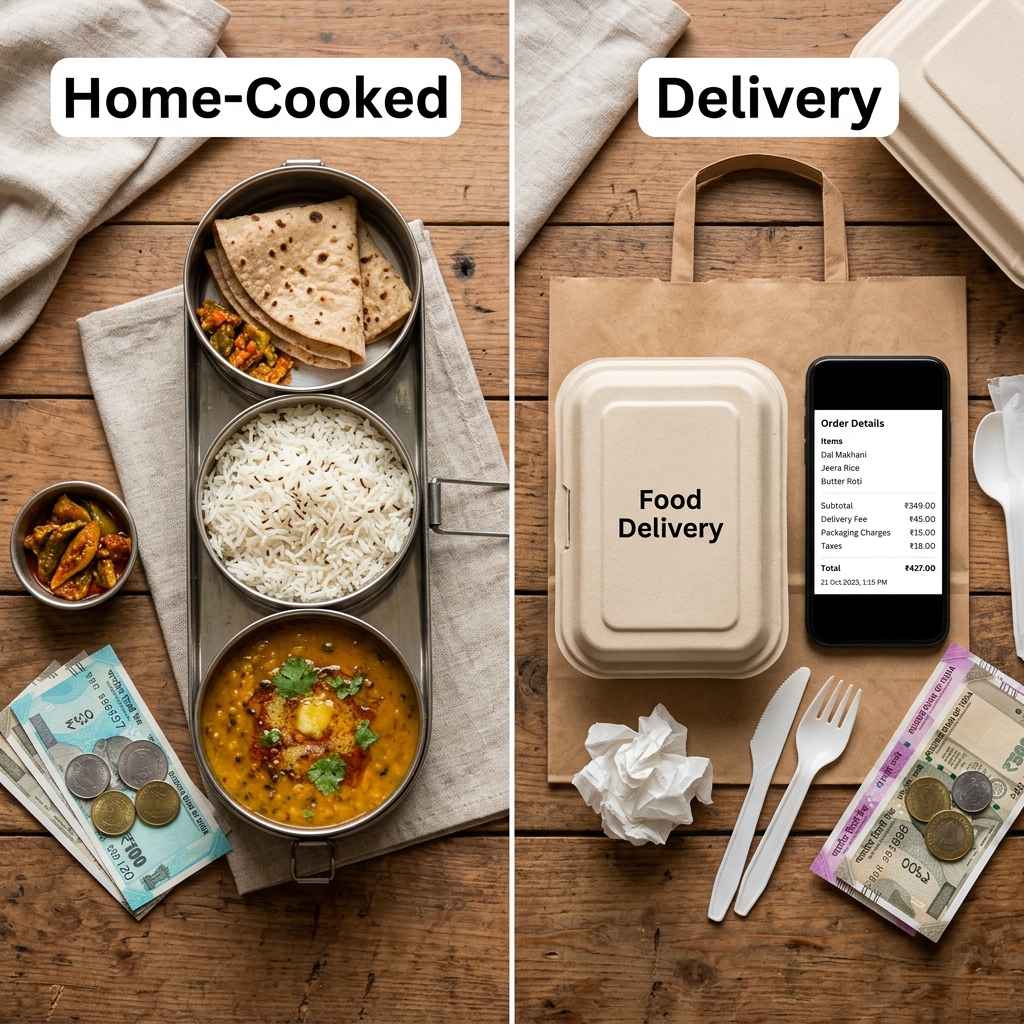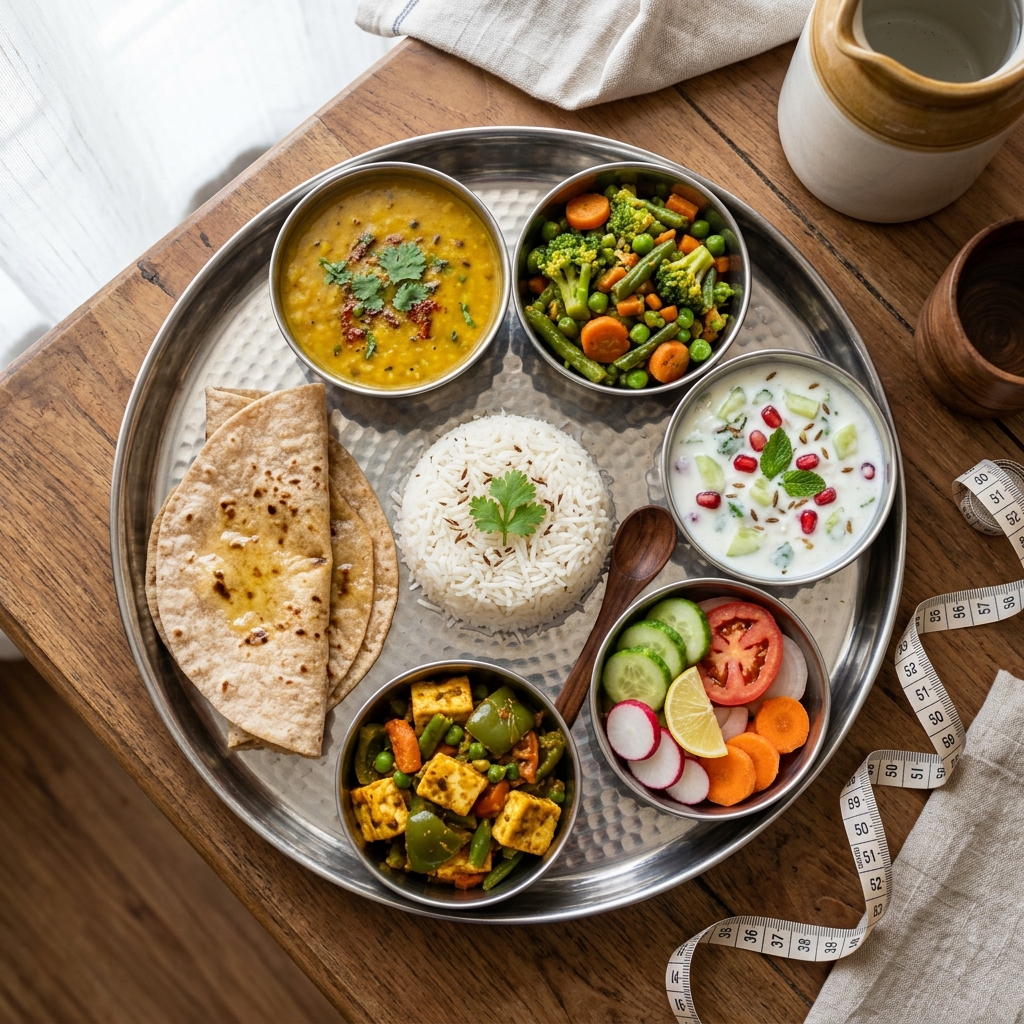
There is a massive misconception that Indian food makes you gain weight. The truth is, restaurant Indian food makes you gain weight due to excess butter, cream, and oil. Traditional, home-cooked Indian meals are actually perfectly balanced for a healthy lifestyle.
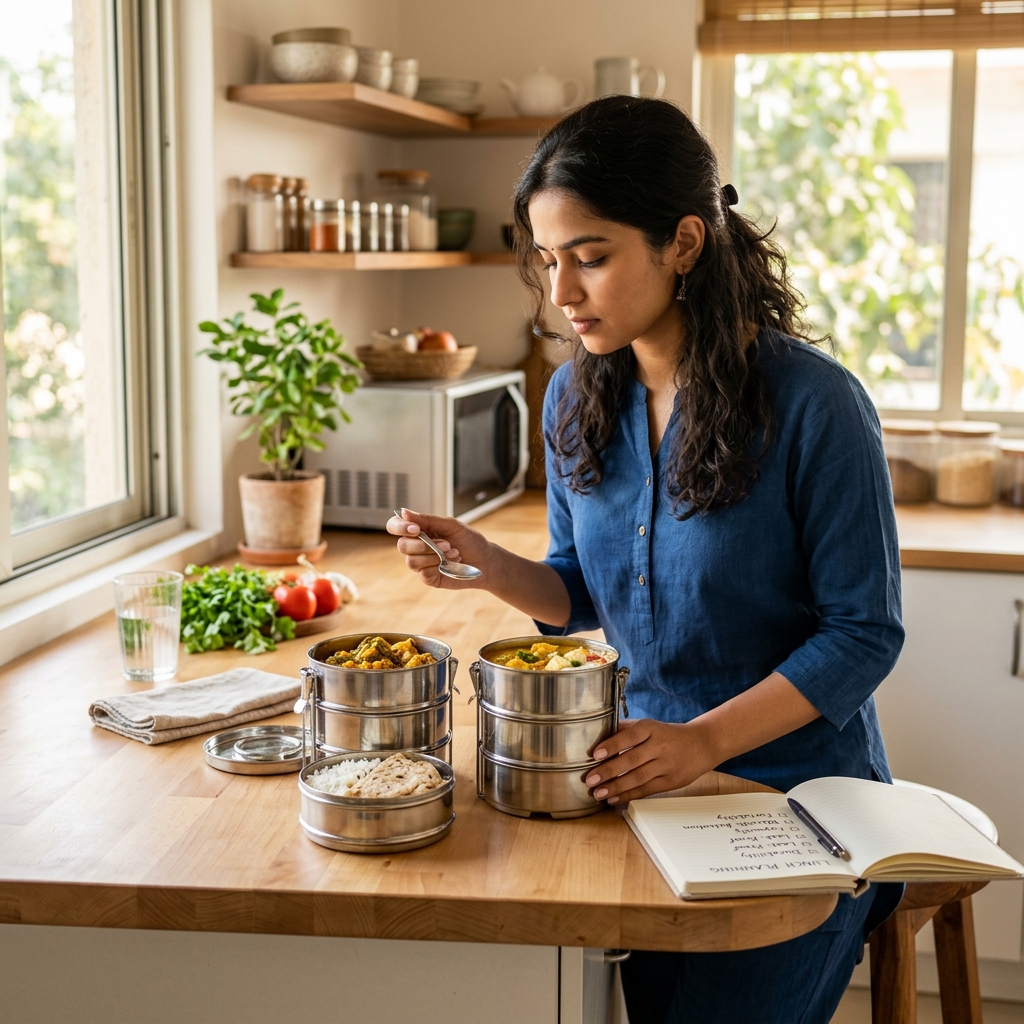
But if you're tracking your macros or trying to maintain a caloric deficit, calculating the calories in a "katori of dal" can be frustrating. Here is a simplified breakdown.
Calorie Breakdown of a Standard Indian Thali
Let's assume standard serving sizes (1 medium katori = 150ml).
| Food Item | Quantity | Approx. Calories | Primary Macro |
|---|---|---|---|
| Roti / Chapati (Wheat) | 1 medium (without ghee) | 80 - 100 kcal | Carbs |
| Yellow Dal (Moong/Toor) | 1 katori (150g) | 110 - 130 kcal | Protein/Carbs |
| White Rice | 1 katori (100g cooked) | 130 - 150 kcal | Carbs |
| Dry Sabzi (Bhindi/Gobi) | 1 katori (100g) | 80 - 110 kcal | Fiber/Micros |
| Curd / Raita | 1 katori (100g) | 60 - 80 kcal | Protein/Fat |
| Salad (Cucumber/Tomato) | 1 small plate | 20 - 30 kcal | Fiber |
Total Calories in a Full Meal
If your lunch consists of 2 Rotis, 1 katori Dal, 1 katori Sabzi, and a small Salad, your total caloric intake is roughly 400 - 450 calories.
This is an incredibly healthy and low-calorie lunch! For comparison, a single slice of restaurant pizza or a medium fries is over 350 calories with zero nutritional value.
The Tiffyy Calorie Advantage
When you order from a restaurant, a single serving of Dal Makhani can easily cross 500 calories because of the heavy cream and butter. Tiffyy's partner kitchens are strictly instructed to cook "Ghar ka Khana" style—meaning standard cooking oil usage and no added heavy creams.