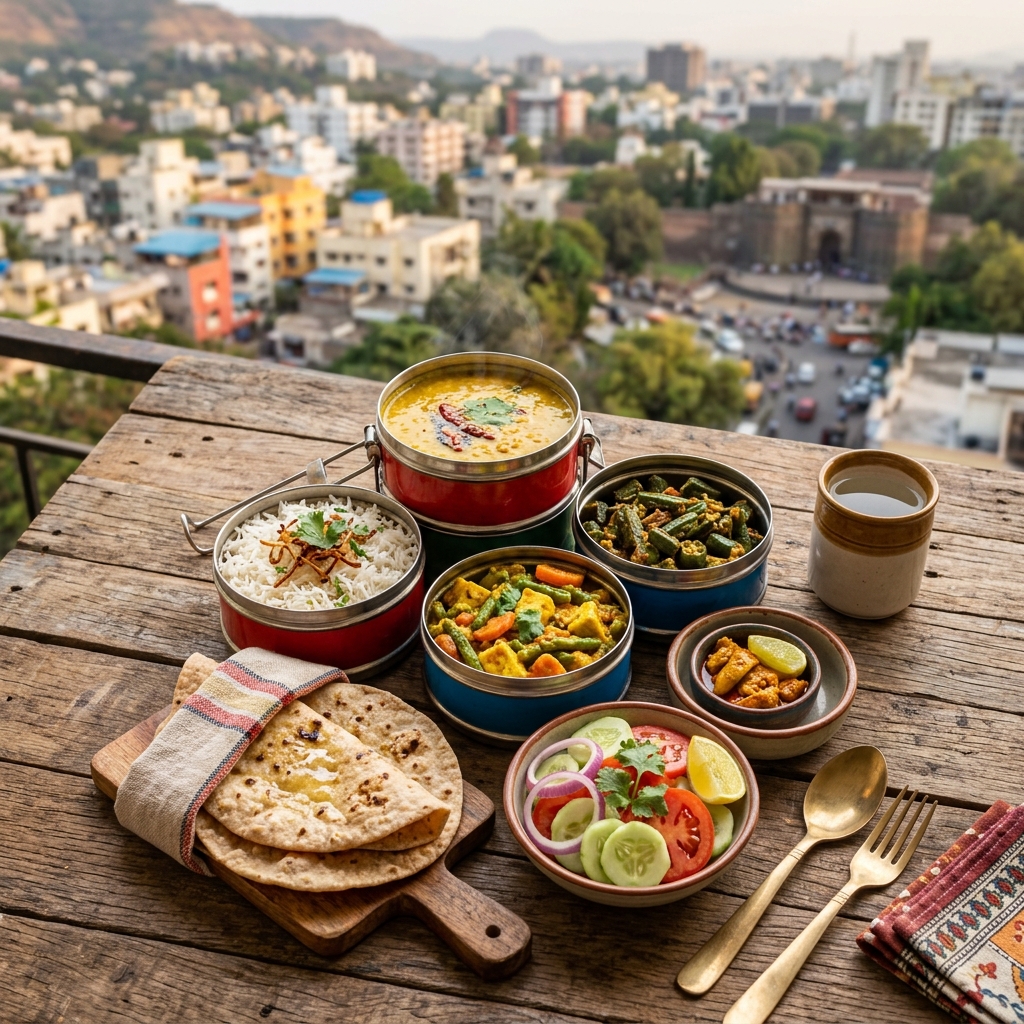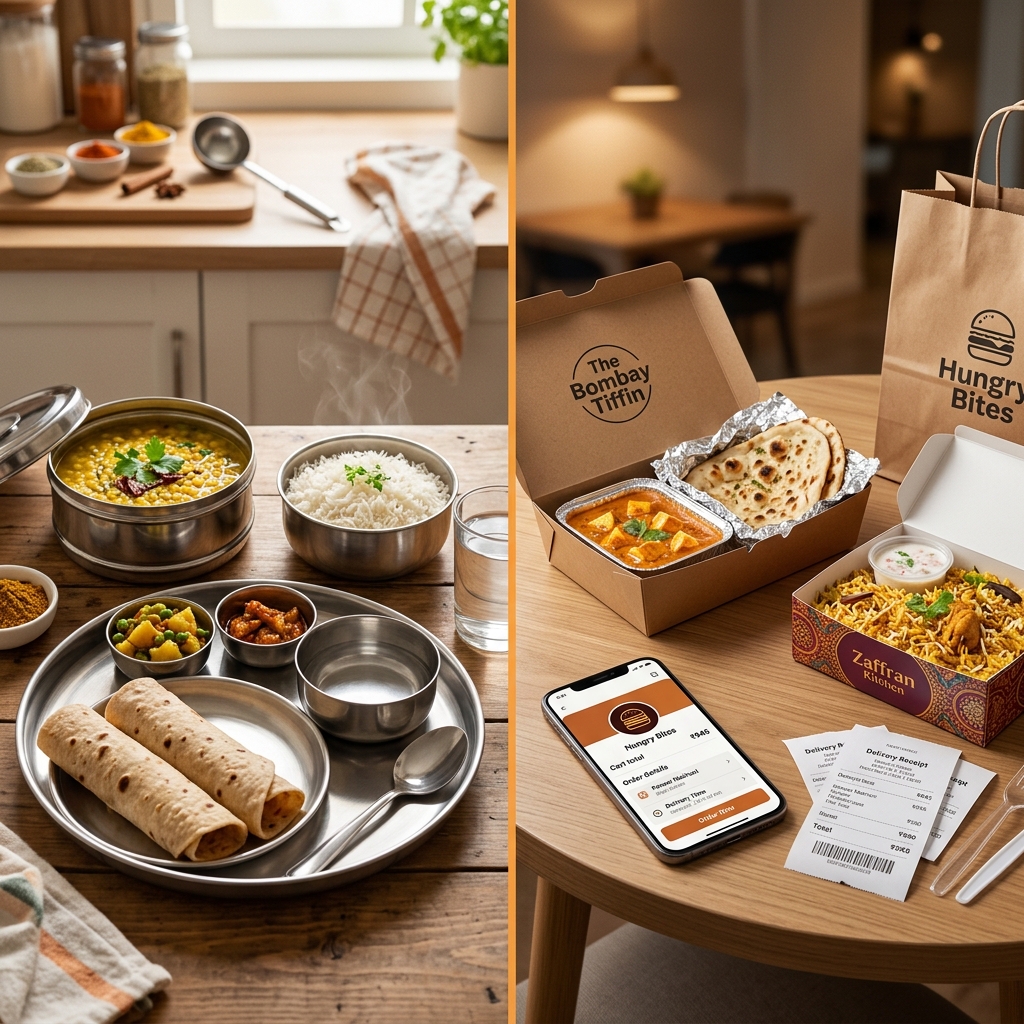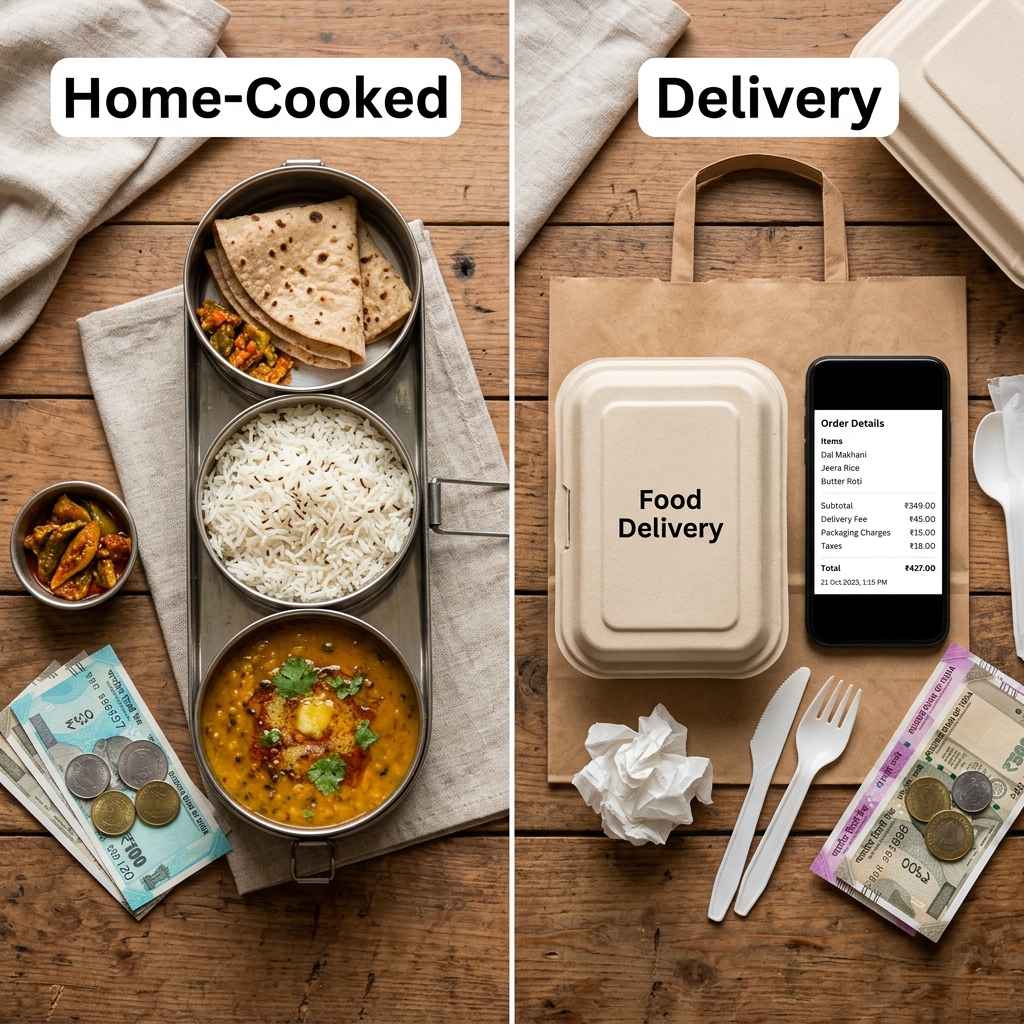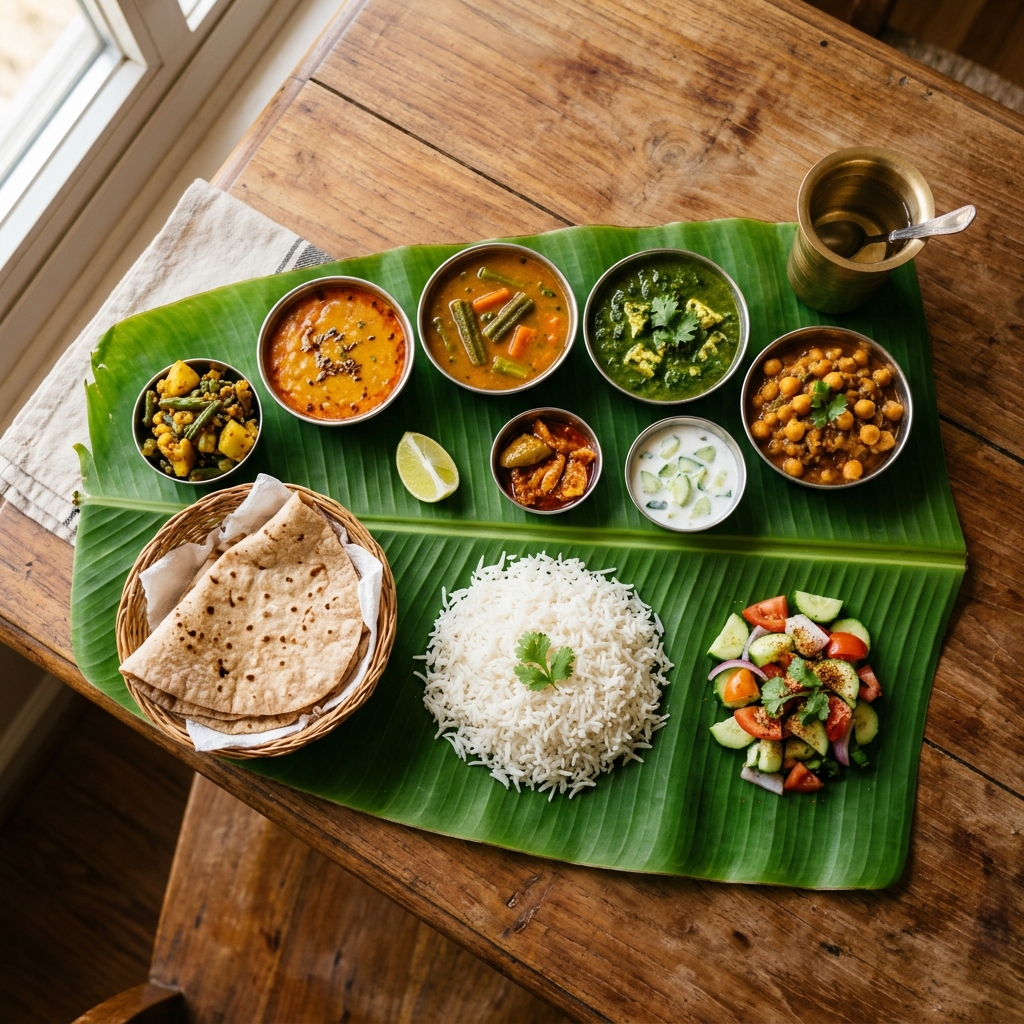
There is a reason why, no matter how many fancy restaurants we visit, we eventually crave a simple plate of homemade dal and rice. The debate between homemade food and restaurant food isn't just about nostalgia—it's grounded in nutritional science and biology.
1. Portion Control is Natural
Restaurants are designed to offer "value for money," which often translates to massive portion sizes. A typical restaurant thali contains 30-50% more calories than a home-cooked thali. When you eat homemade food, you eat until you are satisfied, not until the oversized plate is empty.
2. The Hidden Sodium and Sugar Trap
To make food hyper-palatable (irresistible and addictive), restaurants heavily rely on salt, butter, sugar, and refined oils. Even a "healthy" restaurant salad often comes with dressings loaded with sugar and preservatives.
A home kitchen uses exactly what is needed. When a home chef or a trusted tiffin service prepares your food, the focus is on nourishment, not tricking your taste buds.
3. Quality of Ingredients
- Oil: Commercial kitchens often reuse cooking oil, which creates harmful trans fats. Home kitchens use fresh oil.
- Vegetables: Home kitchens wash and prep vegetables daily. Restaurants often rely on pre-cut, frozen, or heavily preserved ingredients to save time.
- Spices: Authentic home cooking uses freshly ground spices, which retain their antioxidant properties. Commercial kitchens often use bulk powders.
The Challenge for Working Professionals
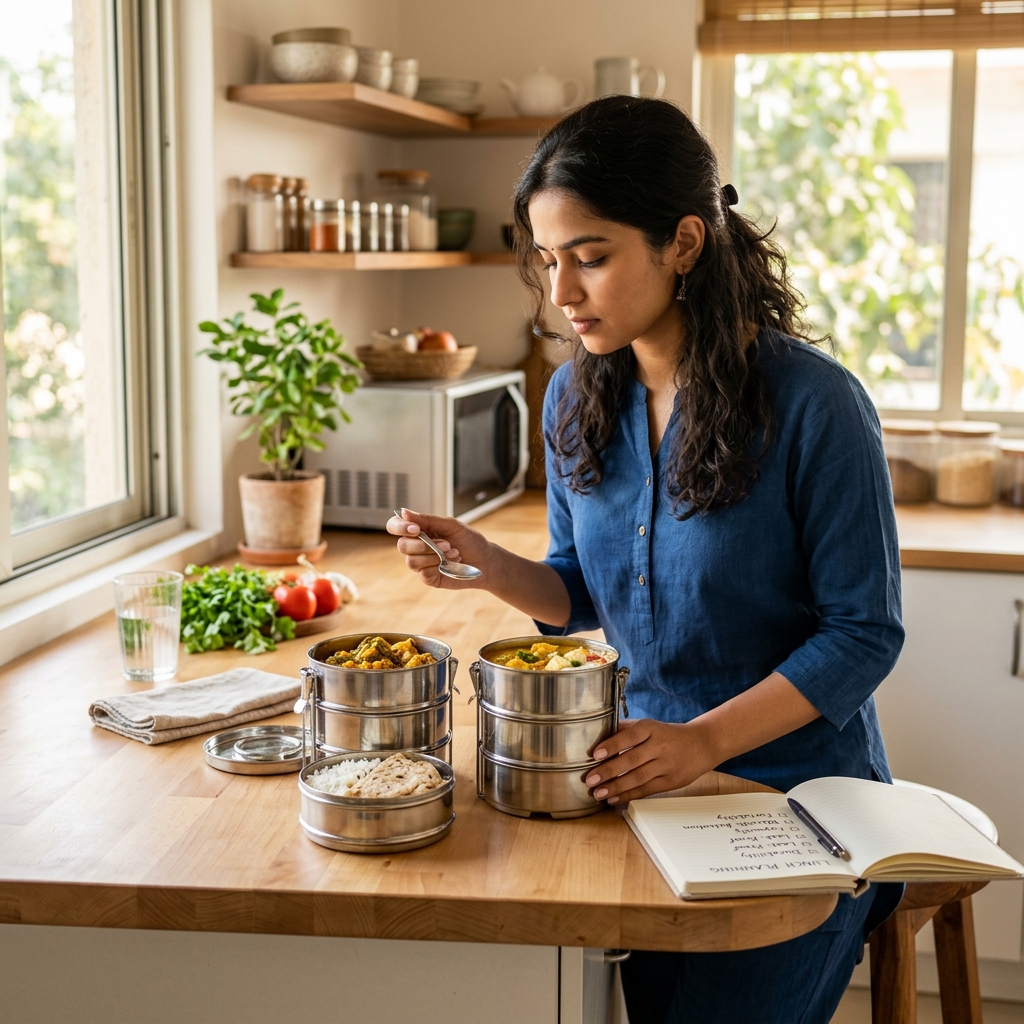
We know the benefits of homemade food, but who has the time to cook? Between commuting, 9-hour shifts, and social lives, cooking 3 meals a day is nearly impossible for a modern professional in Pune or Bangalore.
This is where the "Home Food Delivery" gap exists. You don't have to cook to eat homemade food. Services like Tiffyy partner with local home chefs and small hygienic kitchens to deliver exactly what your mother would cook—simple, low-oil, nutritious meals.